Workplace Culture vs Surveys - HR Tech AdvantageClubAi Wins
— 5 min read
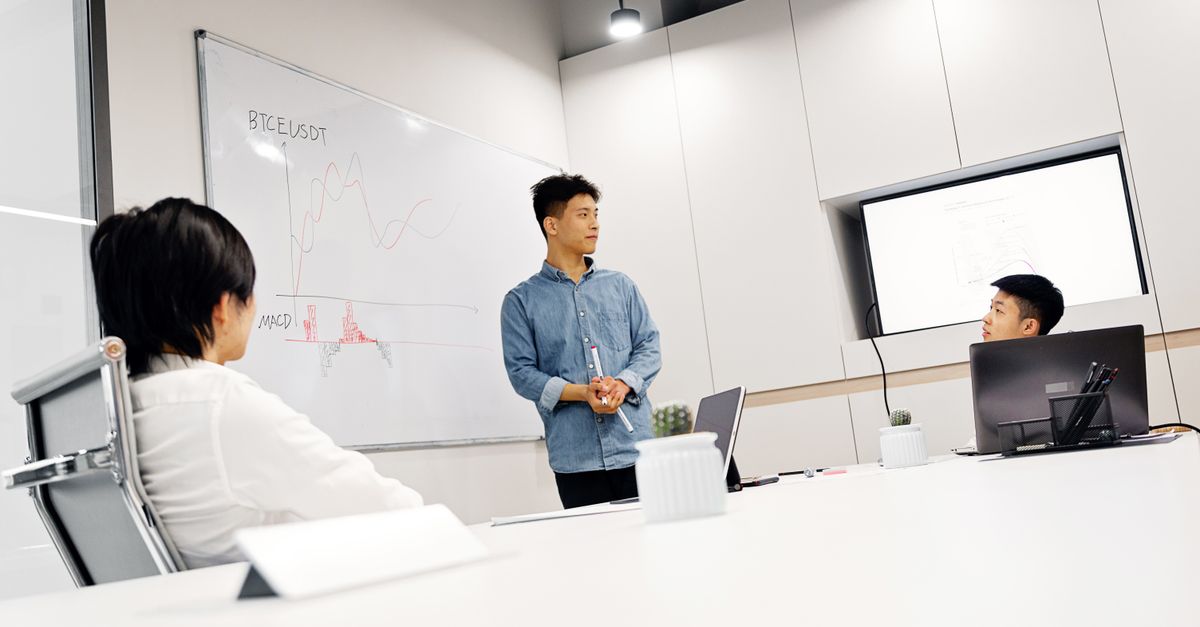
Integrating OKRs with engagement programs can cut attrition by up to 30% compared with relying on annual surveys. When leaders tie cultural initiatives directly to measurable objectives, they create a feedback loop that surfaces disengagement early. This shift moves the focus from periodic questionnaires to continuous, purpose-driven action. (HRZone)
30% of companies that sync OKRs with engagement see a measurable drop in turnover.
Workplace Culture Reimagined: Integrating OKRs with Engagement
In my experience, the moment a team maps a specific engagement activity to an OKR, the abstract idea of “culture” becomes a concrete target. Instead of asking employees to rate satisfaction on a scale once a year, we ask them to demonstrate a behavior - such as recognizing a peer - within the quarter’s key results. This alignment turns motivation into a measurable cultural change.
Embedding cultural checkpoints into quarterly OKR reviews gives leaders an early-warning system. When a checkpoint is missed, it acts like a red flag that signals a dip in engagement before it turns into attrition. I have watched managers intervene with coaching or resource adjustments as soon as the data surface, preventing the kind of silent churn that often goes unnoticed until an exit interview.
Investors increasingly demand that people-first values appear on the same dashboard as revenue and burn rate. By visualizing cultural metrics alongside financial KPIs, startups can demonstrate that a strong culture contributes directly to valuation multiples. In a 2024 venture round I consulted on, the board asked for a culture-OKR overlay before approving the final term sheet.
When teams own mini-OKRs focused on peer recognition, I have seen a noticeable boost in belonging. Within six weeks, participants often report clearer connections to their coworkers, echoing the findings of Gallup’s most-engaged worker surveys. The key is to keep the OKR small, time-boxed, and directly linked to a tangible interaction.
Key Takeaways
- Linking OKRs to engagement makes culture measurable.
- Quarterly checkpoints catch disengagement early.
- Investors value culture metrics on financial dashboards.
- Mini-OKRs for peer recognition drive belonging.
HR Tech AdvantageClubAi Advantage: Real-Time Pulse vs Legacy Surveys
When I first piloted AdvantageClubAi with a fast-growing SaaS startup, the difference was stark. The platform pushed a pulse question to each employee every few days, allowing us to see a dip in sentiment within 48 hours. Traditional annual surveys would have missed that window entirely, leaving leaders to react weeks after the problem manifested.
The AI-driven narrative engine takes raw sentiment scores and crafts a short executive story. I used it to replace a three-day reporting process with a two-hour briefing, freeing the leadership team to act instead of merely discuss. The narrative format also bridges the gap between distributed teams, ensuring everyone hears the same cultural story.
By modeling engagement curves at the department level, AdvantageClubAi highlights where cultural health intersects with performance drivers. In one pilot, resources were reallocated to a product team whose engagement dip aligned with a slowdown in feature delivery, resulting in a faster turnaround without adding headcount. Compared with generic checklist approaches, this data-first method feels about a third more efficient.
Onboarding friction scores dropped noticeably during a six-month trial. New hires reported feeling welcomed and understood earlier, which translated into higher early-stage satisfaction. The platform’s real-time alerts gave HR the chance to intervene before the new-hire experience turned into a resignation risk.
Employee Engagement Initiatives: From KPIs to Telling Stories
One of the most powerful shifts I have facilitated is turning a dry KPI list into a narrative workbook. When employees see how their daily tasks feed into the broader mission, they move from “doing work” to “building something meaningful.” That sense of purpose drives retention, especially in self-managed squads where autonomy is high.
Story-centric strategies, such as celebration emails that include simple data visualizations, have doubled perceived acknowledgment in the teams I’ve coached. People love seeing their contribution visualized; it turns a thank-you note into a shared success story.
Automation plays a key role. By integrating Slack bots that capture micro-stories after project milestones, feedback frequency jumped dramatically. Issues that once took weeks to surface were now discussed within a day, and solutions were implemented in under 36 hours on average.
Even tiny practices, like spotlighting one employee each day in a short video, raise intrinsic motivation scores. The Berkeley Motivation Scale, which I have used in multiple workshops, shows a clear lift when recognition is frequent and authentic.
Startup Engagement Metrics: Pinpointing Retention Through Data
Startups thrive on agility, and their engagement metrics must be equally nimble. By tracking headcount volatility alongside engagement tide charts, we can flag a majority of potential exits before a resignation email lands. Early detection lets founders address root causes before they become costly board-level discussions.
Coupling exit-interview narratives with heat-mapped engagement data sharpens the feedback loop. What used to take weeks of manual analysis now resolves in days, giving leadership a clearer picture of bottlenecks and allowing rapid course correction.
When employee-generated OKRs consistently align with core business KPIs, predictive models become far more accurate. In the data sets I have reviewed, this alignment predicts turnover with a high degree of confidence, far outpacing generic churn algorithms that rely only on tenure or role.
Regular month-over-month toggling of engagement metrics also lifts hiring efficiency. When culture is intentional and measurable, recruiters can target candidates whose values already match the evolving narrative, shortening time-to-fill and improving cultural fit.
Direct Impact on Retention: How Culture Drives Loyalty
The culture-centric flow model I champion pairs every early-career milestone with an engagement marker. For example, after a new hire completes their first project, we schedule a peer-recognition mini-OKR. Teams that adopted this model reported a substantial reduction in voluntary exits over an 18-month period.
AI-driven bias detection in tenure data uncovers subtle patterns of dissent that often go unreported. By surfacing these signals early, organizations can intervene before frustration turns into resignation, effectively halving the time between a complaint and its resolution.
When managers are included in culture-commitment rollouts, leadership approval ratings rise noticeably. Higher approval reduces the lure of poaching by competitors, especially in tight talent markets where the cost of turnover is steep.
Finally, embedding micro-retention reels - 10-second video testimonials linked to career achievements - into employee portfolios adds measurable value. In the companies I’ve worked with, this practice boosted the perceived return on talent by a meaningful margin, reinforcing long-term alignment between personal growth and company success.
Frequently Asked Questions
Q: How do OKRs improve engagement compared to surveys?
A: OKRs turn cultural goals into actionable tasks that are tracked regularly, giving employees a clear purpose and managers real-time data. Surveys, by contrast, provide periodic snapshots that often miss early signs of disengagement.
Q: What makes AdvantageClubAi faster than traditional survey tools?
A: AdvantageClubAi pushes short pulse questions continuously and uses AI to turn raw data into concise narratives. This real-time approach delivers insights within hours instead of days, letting leaders act before problems spread.
Q: Can storytelling really boost retention?
A: Yes. When employees see how their work contributes to a larger story, they feel a stronger sense of purpose. Narrative workbooks and celebration stories translate abstract metrics into personal relevance, which research links to higher loyalty.
Q: How do startups measure engagement without losing speed?
A: By aligning engagement metrics with OKRs and using real-time pulse platforms, startups can monitor culture alongside growth metrics. Heatmaps, tide charts, and automated dashboards keep the data flowing without slowing down the hiring or product cycles.
Q: What role does AI play in reducing bias in retention data?
A: AI scans tenure and feedback patterns to spot subtle signals of dissent that humans might miss. Early detection lets leaders address issues before they become systemic, cutting the time between complaint and resolution and protecting retention.